
Poland entry requirements: visa, the 90/180 rule, EES and what to carry
Who needs a visa for Poland, the Schengen 90/180 rule, why the old US and Mexico re-entry reset ended, EES at the border, ETIAS status and longer stays.
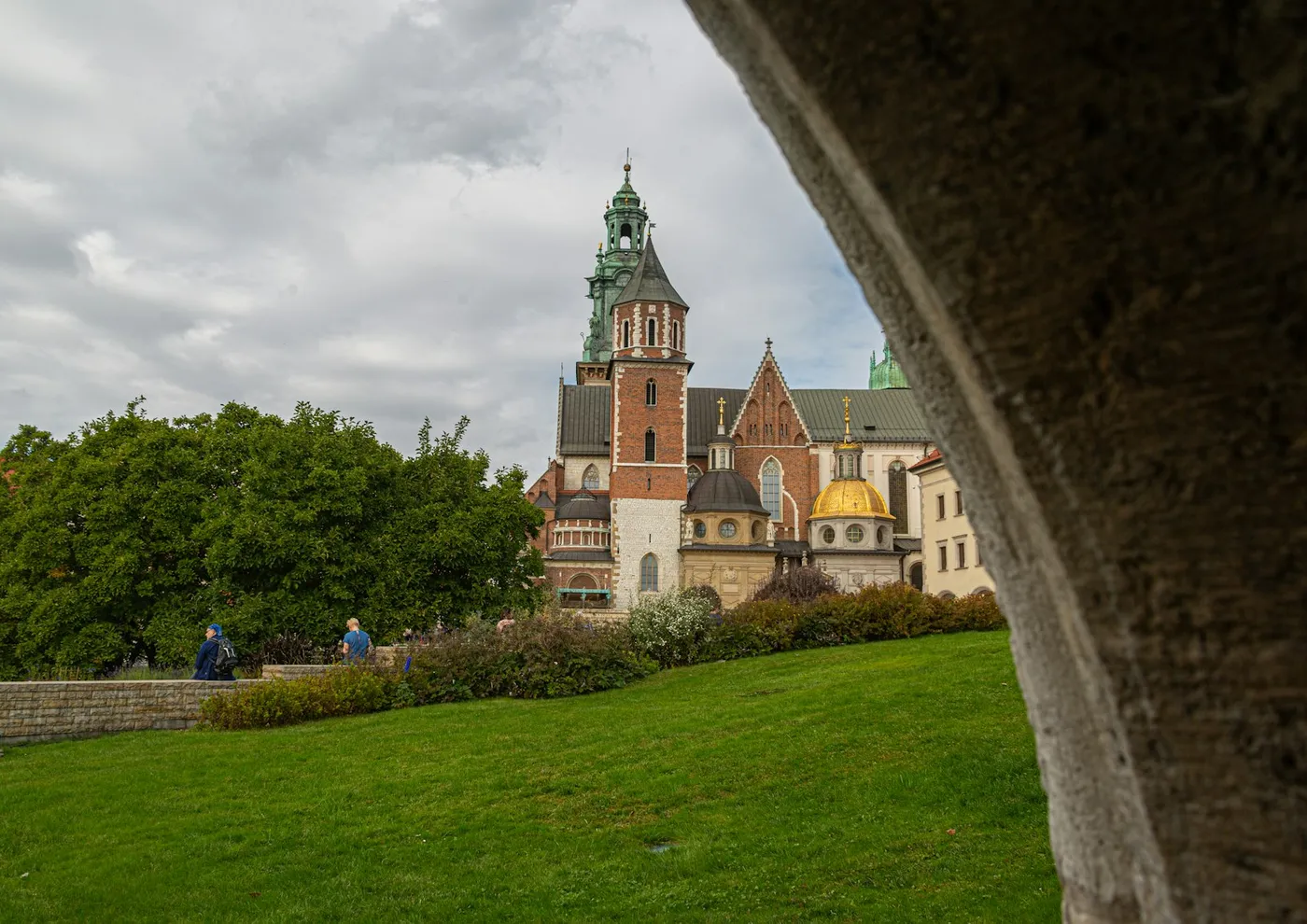
Poland is in the Schengen area, so most short trips follow the shared EU rules: up to 90 days in any rolling 180-day period across all Schengen countries, not 90 days in Poland alone. US, UK, Canadian, Australian, Mexican, Brazilian and Japanese passports are among those that don't need a visa for a short tourist trip. Indian, Philippine, Chinese, Thai and Turkish passport holders, among others, need a Schengen visa before they travel. There's no arrival card to fill in, and ETIAS isn't running yet.
Do you need a visa for Poland?
That depends on your passport. Our passport pages show the rule, the fee and the official source: United States, United Kingdom, India, Philippines, Mexico. For any other passport, start from the Poland page.
Visa-free entry is for tourism and doesn't give you the right to work. Ukrainian passports qualify only if they're biometric. EU, EEA and Swiss citizens travel on a national ID card or passport under free movement and don't use the 90/180 allowance at all.
The 90/180 rule and the old re-entry trick
The 90 days are counted across the whole Schengen area, and your entry and exit days both count. Three weeks spent in Germany before you arrive come off your Polish allowance.
US and Mexican travellers sometimes come across older advice saying a short trip out of Schengen resets the count under a bilateral agreement with Poland. Poland stopped allowing that on 12 October 2025, according to the Warmian-Masurian Voivodeship Office. A short exit and return doesn't give you another 90 days.
Bilateral agreements with 7 countries (Argentina, Brazil, Chile, Costa Rica, Honduras, Nicaragua and Uruguay) still let their citizens ask the local voivode for up to 90 more days inside Poland in justified cases. You apply in person by the last day of your lawful visa-free stay, approval isn't automatic, the extra time is valid in Poland only, and you must leave through a Polish external Schengen border.
Your passport
For a short stay, your passport must have been issued within the 10 years before you enter and stay valid for at least 3 months after the day you plan to leave the Schengen area. These are two separate tests. An expiry date more than 10 years after the issue date isn't a problem in itself, but the issue date still has to fall within 10 years when you arrive. Visa applicants also need 2 blank pages in the passport.
British-Polish and Canadian-Polish dual citizens should enter and leave Poland on their Polish passport (British citizens can also use a Polish ID card), according to the UK and Canadian travel advice.
Arrival forms: EES yes, ETIAS not yet
Poland has no tourist arrival card. The Passenger Locator Form stopped being required on 28 March 2022 (gov.pl).
The EU's Entry/Exit System (EES) has been fully running since 10 April 2026 (EES FAQ). It records non-EU short-stay visitors at the external Schengen border. Registration is free and happens at the border, with nothing to apply for online and nothing to pay (GOV.UK's EES guidance).
ETIAS is a different system. When we checked on 10 November 2026, the official ETIAS site said it isn't in operation and isn't collecting applications. The EU says it will announce the start date several months ahead. Any site taking ETIAS payments today isn't official.
If you need a Schengen visa
When Poland is your main destination, you apply to Poland for a short-stay (C) visa, normally through the Polish consulate that covers where you legally live. Appointments and forms go through e-Konsulat. Filling in the form there isn't an eVisa and doesn't approve your entry.
- Fee: EUR 90 for adults. Some people are exempt, and service fees can be added.
- Time: normally 15 calendar days after an admissible application, and up to 45 in some cases. Waiting for an appointment comes on top.
- When: you can apply up to 6 months before you travel.
- Insurance: the visa application needs travel medical insurance of at least EUR 30,000, valid across Schengen, covering emergency treatment, hospital care and repatriation.
The visa sticker sets your days and number of entries. With a valid residence permit or long-stay visa from another Schengen country, you may not need a separate visa for a visit of up to 90 days in 180. A UK or Irish residence permit on its own doesn't count. Poland's visa page lists the consulates.
What to carry at the border
The border guard can ask how you'll pay for the trip and when you'll leave, whether or not you need a visa. Carry your accommodation details and your plans. For a stay of 90 days or less, the Interior Ministry says you need sufficient money for the stay and the journey out, or to be able to get those funds lawfully. A return or onward ticket is one way to show how you'll leave.
For entry for a long-term stay (over 90 days), the same page sets fixed amounts: at least PLN 300 for up to 4 days, or PLN 75 a day for a longer stay, and, if you don't have a return ticket, money equal to the value of the ticket you arrived on, and at least PLN 2,500 (or the same value in another currency) if you came from outside the EU (Ministry of the Interior).
Travel medical insurance is strongly recommended for every visitor, though it's only a formal requirement for visa applicants. An EHIC or GHIC card doesn't replace evacuation or private travel cover.
Declare cash of EUR 10,000 or more (or the same value in another currency) when you cross the external EU border. Meat and milk products from most non-EU countries are restricted. Canada's official advice says Poland doesn't ask for a yellow-fever certificate.
Staying longer than 90 days
A longer stay in Poland needs the national (D) visa, which can't be valid for more than 1 year, or a residence route. The 90-day tourist allowance doesn't cover it.
Address registration (meldunek) is a separate duty, and you're exempt if your total stay in Poland is 30 days or less. Where registration does apply, non-EU visitors register by the fourth day after arriving at the address, and EU, EEA and Swiss citizens by the 30th day (gov.pl). Registering doesn't extend your permitted stay.
Sources
Visas, Ministry of Foreign Affairs of Poland, Entry and residence conditions, Ministry of the Interior and Administration, Applying for a Schengen visa, European Commission, EES FAQ, European Union, EU Entry/Exit System, GOV.UK, ETIAS, European Union, Passenger Locator Form, gov.pl, Temporary registration for foreigners, gov.pl, Warmian-Masurian Voivodeship Office, Poland entry requirements, GOV.UK, Poland travel advice, Government of Canada. Checked 10 November 2026.