
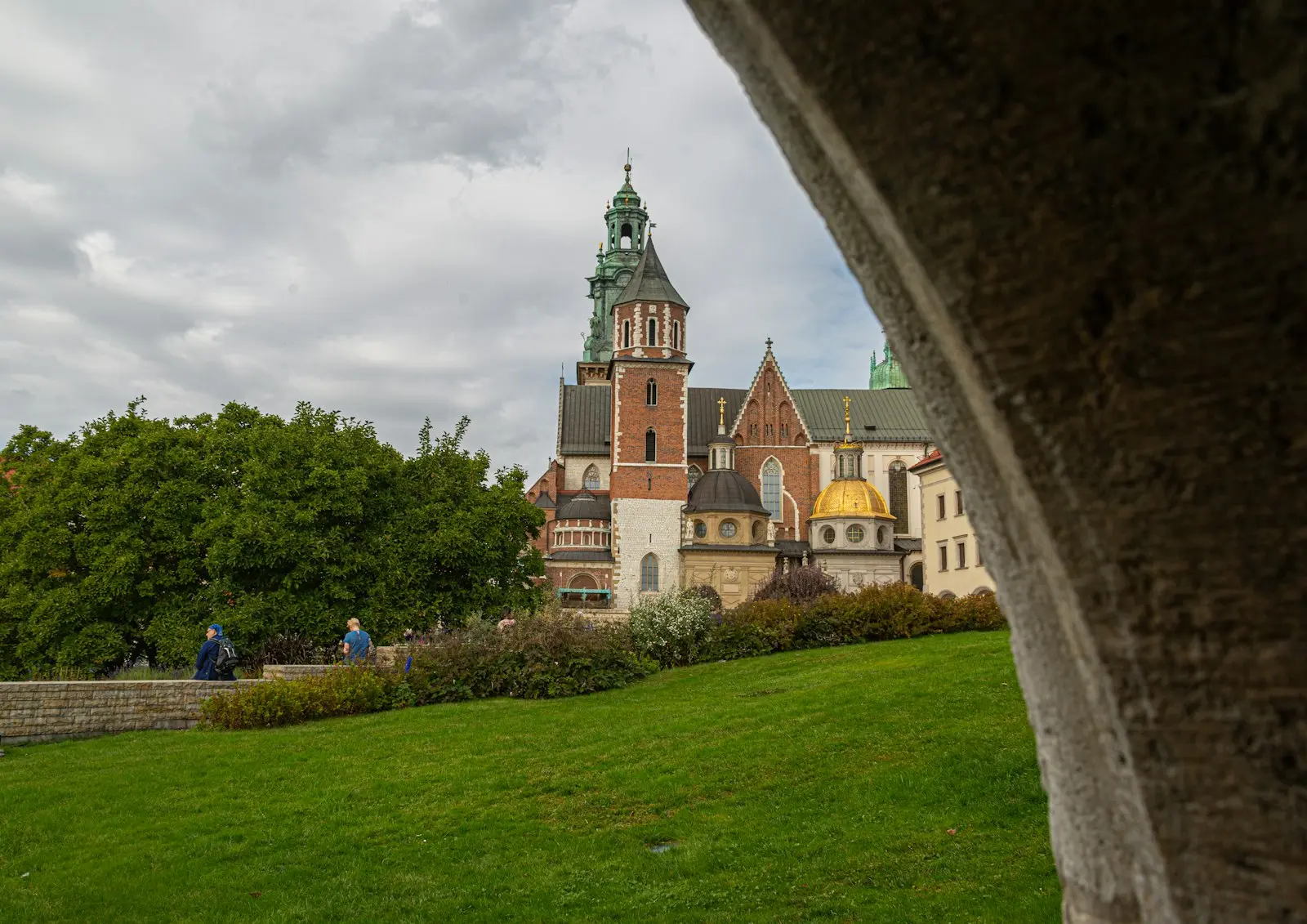
Poland visa for Oman passport holders
Visa required.
Edit your trip
Visa
Visa required
Before you travel, check what the official route asks for. The route open to you depends on your passport and your situation.
Obtain a Schengen C visa before an ordinary tourist visit unless a separate exemption applies. A valid residence permit or long-stay D visa issued by another Schengen state can exempt its holder from needing a separate C visa for a visit of up to 90 days in 180 days; a UK, Irish or other non-Schengen residence permit alone is not this exemption. Apply to Poland when it is the main destination, normally through the consulate responsible for your legal residence. Use the official e-Konsulat appointment/form route; completing an online form is not an eVisa or entry approval. The visa sticker controls the authorised days and number of entries, within the Schengen 90/180 ceiling. A visa does not guarantee admission. The passport must meet the 10-year issue and 3-month post-Schengen-departure validity rules; visa applications also need 2 blank pages, purpose/accommodation/funds evidence and travel medical insurance of at least EUR 30,000 covering the Schengen area and the relevant stay.
- Processing time
- Normally 15 calendar days after an admissible application; may extend to 45. Appointment waiting time is additional. Submit up to 6 months before travel.
- Government fees
- Adult C visa EUR 90; statutory exemptions and separate service fees may apply.
Official sources 7
- Official guidance — opens in a new tabeur-lex.europa.eu
- Supporting document (PDF) — opens in a new tabhome-affairs.ec.europa.eu
- Official guidance — opens in a new tabgov.pl
- Official guidance — opens in a new tabgov.pl
- Official guidance — opens in a new tabhome-affairs.ec.europa.eu
- Official guidance — opens in a new tabgov.pl
- Official guidance — opens in a new tabgov.pl
Last checked:
Arrival forms & authorizations
No arrival card required
Poland does not require the former Passenger Locator Form: the Polish government ended that obligation on 28 March 2022. No separate tourist arrival-card application is presented here. EES is different: the EU entry/exit system is fully operational from 10 April 2026 and records eligible non-EU short-stay travellers at the external Schengen border. It is free and is not an online visa or paid pre-arrival card. EU/EEA/Swiss citizens and holders of qualifying long-stay visas or residence documents are outside the ordinary short-stay EES route.
Checked 8 November 2026: the official EU ETIAS website says ETIAS is not in operation and applications are not being collected. The EU will announce the specific start date several months before launch. Do not pay a lookalike ETIAS website or treat a commercial application form as official approval. Recheck the official EU site before travelling.
Official sources 3
- Official guidance — opens in a new tabgov.pl
- Official guidance — opens in a new tabtravel-europe.europa.eu
- Official guidance — opens in a new tabtravel-europe.europa.eu
Last checked:
Onward travel
Recommended
Third-country tourists must be able to show the purpose and conditions of the visit, sufficient means for the stay and departure or onward transit, and a credible plan to leave within the authorised stay. A return or onward ticket can be requested, but Polish rules also recognise sufficient funds for departure, so a prepaid airline ticket is not the only legal option. Carry accommodation and itinerary evidence. The ordinary Schengen short-stay rules do not replace EU/EEA/Swiss freedom of movement.
Travel insurance
Recommended
Travel medical insurance is strongly recommended for all visitors. For a Schengen C-visa application, insurance is a requirement: at least EUR 30,000, valid throughout the Schengen area for the relevant trip, covering emergency treatment, hospital care and medical repatriation, including death. A multiple-entry application must cover at least the first intended visit, with adequate insurance needed for later trips too. This duty applies to visa applications; a universal requirement for every visa-free visitor to buy insurance has not been verified. An EHIC/GHIC is not a substitute for evacuation or private travel cover.
Other information
These conditions are for a regular tourist visit. Where you live, your visa status and the route you take can change what applies to you.
- For third-country short stays, a passport must be issued within the 10 years before entry and valid for at least 3 months after the intended Schengen departure. These are separate tests: an expiry date more than 10 years after issue does not itself mean refusal, but the passport must still pass the issue-date test on entry. A C-visa application additionally needs 2 blank pages. EU/EEA/Swiss citizens use a valid national ID card or passport under freedom of movement, not a 90/180 tourist allowance.
- Poland’s national D visa is the route for an eligible stay longer than 90 days in Poland; its validity cannot exceed 1 year. Time authorised is set by the visa, not an automatic tourist allowance. e-Konsulat is the official consular appointment/form system, not an eVisa approval. Some bilateral agreements allow an in-country extension for 7 nationalities; since EES began, old bilateral border-reset advice for several other nationalities is obsolete. The relevant passport rules explain the distinction.
- Address registration (meldunek) is separate from EES and immigration permission. Foreign visitors whose total stay in Poland does not exceed 30 days are exempt. Where registration applies for a longer stay, EU/EEA/Swiss citizens and qualifying family members generally register by the 30th day after arriving at the address; other foreign visitors register by the fourth day. These deadlines run from arrival at the place of stay, not from the 31st day in Poland. Registration does not extend lawful stay. EU residence registration after 3 months is a different process.
- Canada’s official Poland advice confirms that a yellow-fever vaccination certificate is not required. This does not rule out temporary health screening related to an outbreak or recent travel. At the external EU border, declare cash of EUR 10,000 or more (or equivalent). Meat and milk products brought from most non-EU countries are restricted, subject to limited exceptions. Russian entry restrictions and controls at the Belarus/Russia borders are separate from nationality-based visa exemptions; a visa does not override them.
Official sources 19
General entry guidance
- Official guidance — opens in a new tabeur-lex.europa.eu
- Supporting document (PDF) — opens in a new tabhome-affairs.ec.europa.eu
- Official guidance — opens in a new tabgov.pl
- Official guidance — opens in a new tabgov.pl
- Official guidance — opens in a new tabhome-affairs.ec.europa.eu
- Official guidance — opens in a new tabgov.pl
- Official guidance — opens in a new tabgov.pl
- Official guidance — opens in a new tabgov.pl
- Official guidance — opens in a new tabtravel-europe.europa.eu
- Official guidance — opens in a new tabtravel-europe.europa.eu
- Official guidance — opens in a new tabgov.pl
- Official guidance — opens in a new tabgov.pl
- Official guidance — opens in a new tabgov.pl
- Official guidance — opens in a new tabsamorzad.gov.pl
- Official guidance — opens in a new tabtravel.gc.ca
- Official guidance — opens in a new tabgov.uk
- Official guidance — opens in a new tabstrazgraniczna.pl
- Supporting document (PDF) — opens in a new tabeli.gov.pl
- Supporting document (PDF) — opens in a new tabhome-affairs.ec.europa.eu
Official services set these requirements.